How Long Does Recoating Last? A Guide for Homeowners

January 10, 2026

Maintaining the surfaces of your home—whether it’s your driveway, deck, roof, floors, or garage—requires a careful balance between cost, durability, and long-term performance. As homeowners look for smarter ways to extend the life of their property without the high expense of full replacement, recoating has become a trusted and widely recommended solution. This method preserves existing structures, restores appearance, and reinforces long-term protection, but one question remains essential: How long does recoating actually last? Understanding this lifespan is the key to making informed decisions about maintenance schedules, budgeting, and property care strategies. These decisions ultimately help homeowners reduce preventable damage, maintain consistent property value, and avoid unnecessary replacement expenses that often arise from delayed maintenance or neglected upkeep over the years.


Recoating longevity varies based on multiple factors such as material type, environmental conditions, usage levels, and the quality of the professional application. For homeowners, knowing these variables helps determine when recoating is the right investment and how to get the maximum lifespan out of each application. This guide provides a comprehensive, expert-backed breakdown of recoating timelines across different surfaces, practical maintenance tips, and real-world examples of performance outcomes. With clear explanations and an evidence-based approach, this resource will help you plan ahead and ensure your home’s surfaces stay protected, attractive, and structurally sound for years to come. By understanding these influences early on, homeowners gain better control over upkeep decisions, enabling strategic planning that minimizes future repairs while maximizing durability, aesthetic value, and overall long-term performance for various household surfaces.

1. Understanding Recoating Longevity

  • Factors That Influence Lifespan

    The lifespan of a recoat depends heavily on the material being treated. Decks, driveways, concrete floors, and roofs each have unique exposure levels and stress points. Weather conditions, especially in regions with heavy snow, intense sunlight, or dramatic temperature shifts, can shorten a coating’s life. High-traffic areas naturally wear faster, while sheltered or shaded sections may last significantly longer. Additionally, the type of coating—acrylic, epoxy, polyurethane, elastomeric, or oil-based—directly impacts durability.

  • Surface Condition Before Recoating

    Recoating outcomes are closely tied to preparation quality. A well-cleaned, repaired, and primed surface allows the coating to bond securely, increasing longevity by several years. Conversely, recoating over damaged, dirty, or deteriorated surfaces leads to premature failure. Proper sanding, pressure washing, filling cracks, and addressing moisture issues all influence how long the finish will perform.

  • Quality of Application

    Professionally applied coatings typically outperform DIY results. Professionals use commercial-grade materials, precision tools, correct environmental conditions, and industry-backed techniques. Even small mistakes—incorrect thickness, poor drying time, or inadequate curing—can cut years off a coating’s lifespan.

2. How Long Different Types of Recoating Last

Deck Recoating Lifespan

Deck coatings usually last between 2 to 5 years depending on foot traffic, UV exposure, and wood type. Semi-transparent stains break down sooner due to sun exposure but penetrate deeply. Solid stains last longer because they sit on the surface, offering more substantial coverage. In regions with frequent rain or humidity, recoating may need to be done more often to prevent wood warping or moisture intrusion.

Driveway and Asphalt Recoating Lifespan

Asphalt sealcoating typically lasts 2 to 3 years. Driveways facing heavy vehicle use, snowplows, or de-icing chemicals may require more frequent touch-ups. A well-applied sealcoat protects the asphalt from oxidation, UV rays, automotive fluids, and cracking. Meanwhile, concrete driveway coatings often last 3 to 7 years, depending on whether a thin acrylic sealer or a thicker epoxy-based coating is used.

Roof Recoating Lifespan

Roof coatings can dramatically extend a structure’s life, with elastomeric or silicone coatings lasting 10 to 20 years when applied professionally. These coatings provide UV protection, waterproof sealing, and energy-efficiency benefits. However, roofs exposed to severe storms, hail, or standing water may need more frequent maintenance.

Garage Floor Recoating Lifespan

Garage floor epoxy coatings can last 7 to 15 years, while polyurea and polyurethane systems often last even longer. Chemical resistance, abrasion protection, and strong adhesion all contribute to long-lasting performance. Hot tire pickup, gasoline drips, and heavy equipment can shorten the lifespan if not properly managed.

3. Real-World Scenarios That Affect Recoating Performance

High-Traffic Areas vs Low-Traffic Spaces

Areas with constant foot or vehicle movement—driveways, entryways, commercial floors—naturally experience more wear and tear than protected spaces. High-traffic areas may require thicker coatings, additional layers, or more frequent maintenance cycles. For example, a deck used daily for outdoor dining will show signs of fading or surface wear sooner than a small balcony that’s rarely used.

Climate and Environmental Exposure

Homeowners in hot, sunny climates often see reduced coating life due to UV intensity, while colder regions may experience cracking or peeling caused by freeze–thaw cycles. Coastal environments introduce salt and humidity, both of which can degrade certain coatings faster unless marine-grade formulas are used. Taking environmental challenges into account helps determine the most appropriate coating type and maintenance plan.

Maintenance Habits

Recoating lasts significantly longer when homeowners perform routine cleaning and inspections. Removing standing water, sweeping debris, applying gentle cleaners, and checking for early signs of wear can extend the life of a coating by several years. Neglecting maintenance accelerates deterioration and increases the frequency of recoating.

4. Best Practices to Maximize Recoating Longevity

  • Surface Preparation Essentials

    Proper preparation is the foundation of long-lasting results. This includes full surface cleaning, degreasing, mold removal, sanding, crack repair, and ensuring the surface is completely dry before coating. Skipping preparation steps leads to poor adhesion and early failure.

  • Choosing the Right Coating

    Selecting a coating that matches surface material and environmental demands is crucial. For example, epoxy is ideal for garage floors, while acrylic stains are better suited for wood decks. For roofs, silicone is excellent for UV-heavy locations, while elastomeric coatings are beneficial in areas needing increased flexibility.

  • Following Manufacturer and Professional Guidelines

    Curing and drying times must be respected. Heavy use or rain exposure too soon after application can ruin the finish. Professionals also ensure the correct number of layers, ideal weather conditions, and optimal application techniques, each critical for achieving maximum durability.

5. Common Signs Your Surface Needs Recoating

Visible Fading and Discoloration

As coatings age, sun exposure and weathering cause noticeable fading. While this may seem cosmetic, it often signals declining protection beneath the surface. Recoating at this stage prevents deeper deterioration.

Peeling, Cracking, or Flaking

These signs indicate loss of adhesion and usually appear when moisture seeps beneath the coating or the surface becomes damaged. Early intervention prevents costly structural repairs in the future.

Increased Water Absorption or Staining

When water stops beading on a surface or stains begin lingering longer, it’s a sign that the protective layer has worn off. This is common with driveways, wood decks, and patios. Recoating restores protection and prevents long-term structural issues.

6. When Recoating May Not Be Enough

Severe Structural Damage

Recoating is designed to refresh, protect, and prolong the life of your existing surface, not repair deep structural issues. Surfaces with major cracks, rotting wood, or extensive surface erosion often require replacement or partial reconstruction before recoating can be effective.

Multiple Failed Layers

If old coatings have peeled, bubbled, or cracked repeatedly, the underlying material may be compromised. In such cases, removing all previous layers and starting fresh is often the most reliable approach.

Moisture or Drainage Problems

If water continually pools on a surface—whether a roof, deck, or driveway—no coating will last its full lifespan. Correcting drainage issues is essential before recoating to prevent future failure.


Recoating is one of the most effective ways homeowners can extend the life of their decks, driveways, roofs, garage floors, and other surfaces. By understanding the factors that influence longevity—such as material type, weather exposure, surface condition, and maintenance habits—you can plan for long-term durability and avoid unnecessary replacement costs. Each type of surface has its own expected lifespan, but with proper care and the right professional techniques, recoating can protect and enhance your home for many years. Recognizing signs of wear early and choosing high-quality materials are essential steps to maximizing the benefits of recoating.

Extend Surface Lifespans Through Planned Recoating Strategies

For homeowners who want reliable, long-lasting recoating results, partnering with trusted professionals makes all the difference. ProTech Recoating brings a decade of expertise to every project, ensuring that each surface receives the precise preparation, material selection, and application method required for maximum performance. Based in Oak Forest, IL, the company understands the specific climate challenges of the region and provides solutions that stand up to local conditions—from harsh winters to humid summers. Their team follows industry-leading techniques and incorporates high-quality, durable coating products that extend the life of surfaces while improving appearance and function.


Whether you need driveway sealcoating, deck refinishing, garage floor epoxies, or full property recoating maintenance, ProTech Recoating delivers dependable results backed by 10 years of hands-on experience. Their commitment to craftsmanship, transparency, and customer satisfaction has made them a trusted choice for homeowners who prioritize quality. When you want recoating that truly lasts, ProTech Recoating offers the expertise and reliability needed to protect your home investment for years to come.

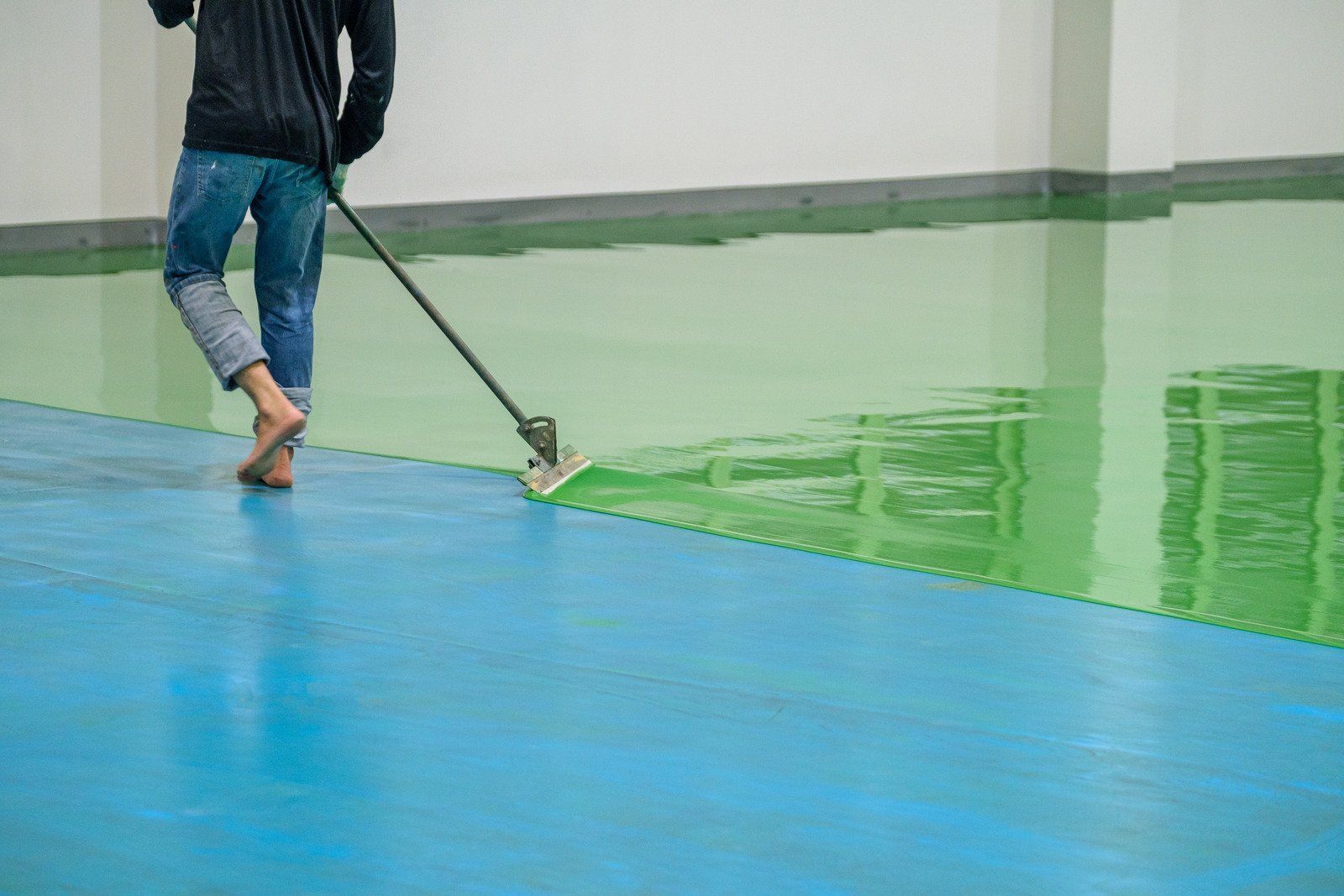
Person applying green epoxy coating to a blue floor using a floor applicator in a warehouse.
December 20, 2025
Maintaining surfaces—whether floors, roofs, industrial equipment, or protective coatings—plays a critical role in ensuring long-term performance and value.
Modern bathroom with a white tub, glass shower, and gray patterned tile.
November 15, 2025
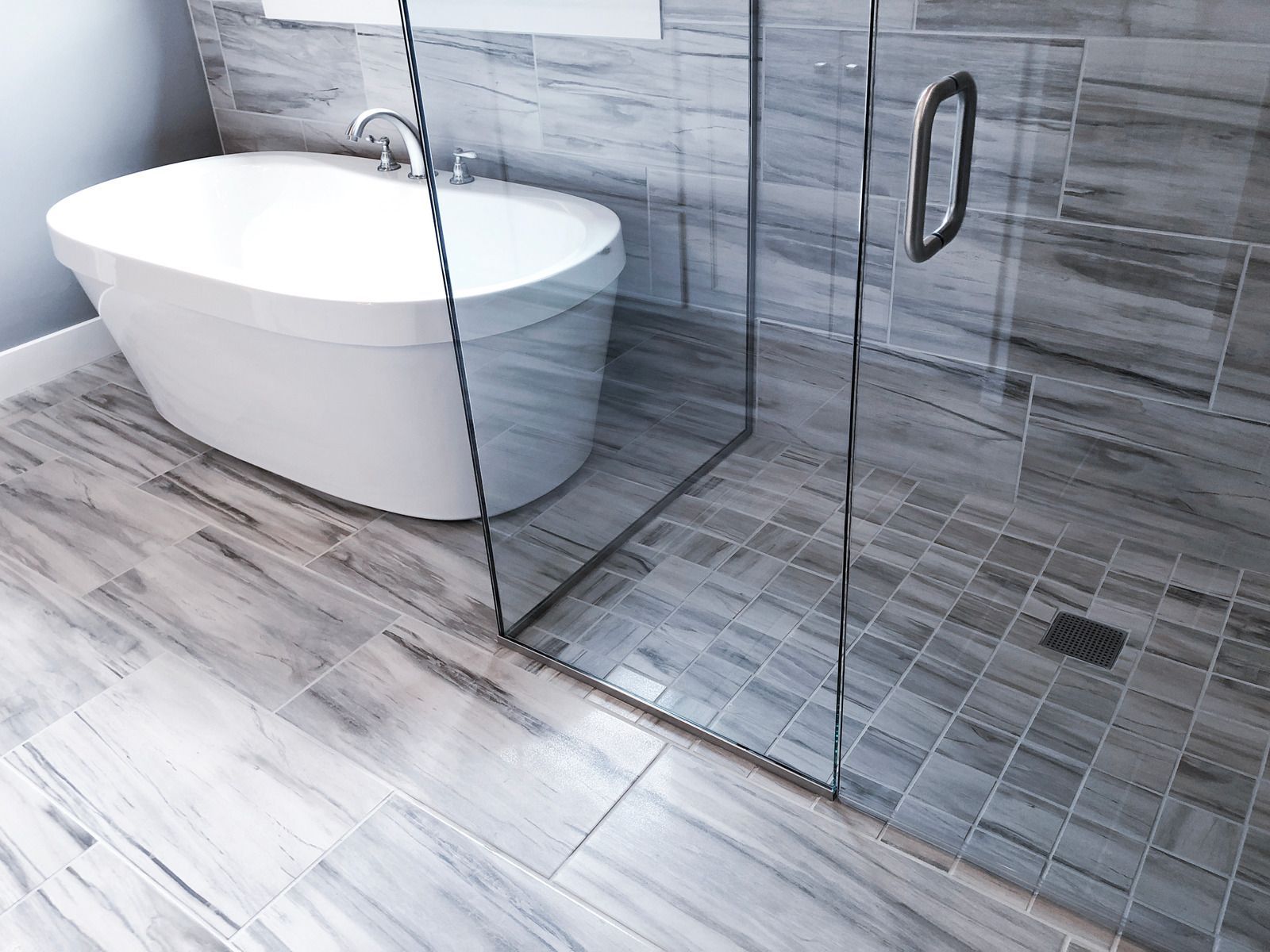
Fiberglass tubs and showers are a popular choice for their durability, smooth finish, and low maintenance. However, even the strongest fiberglass can develop cracks, chips, or other damage over time due to constant use, accidental impacts, or natural wear and tear.
Gray double vanity with white sinks, oval mirrors, and floral arrangement in a bathroom.
October 9, 2025
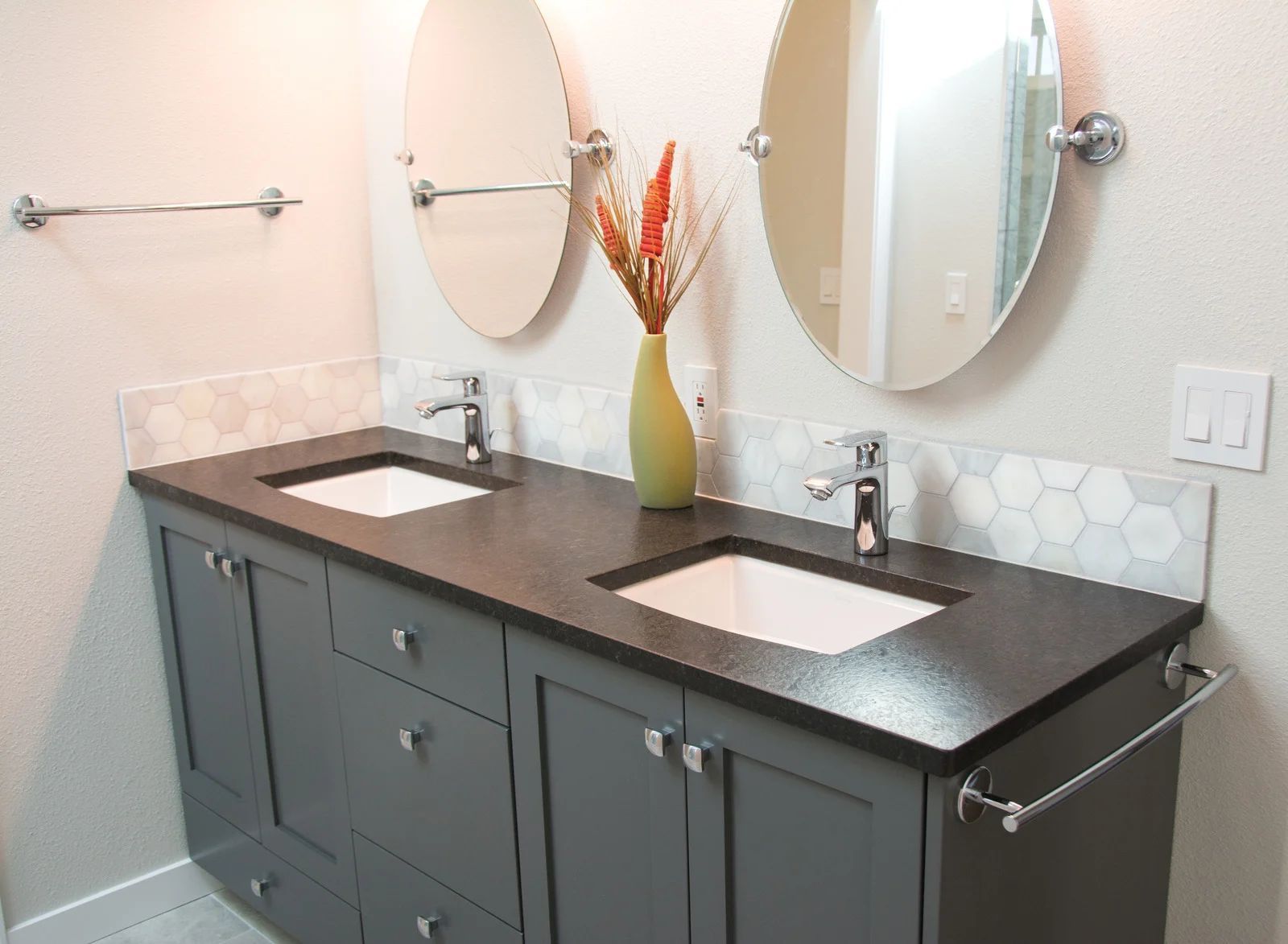
When it comes to bathroom renovations, the vanity often steals the spotlight. But full replacements can be costly, messy, and time-consuming. Vanity recoating services offer a smarter, more affordable solution that gives your bathroom a stunning facelift without the hassle of a complete overhaul.
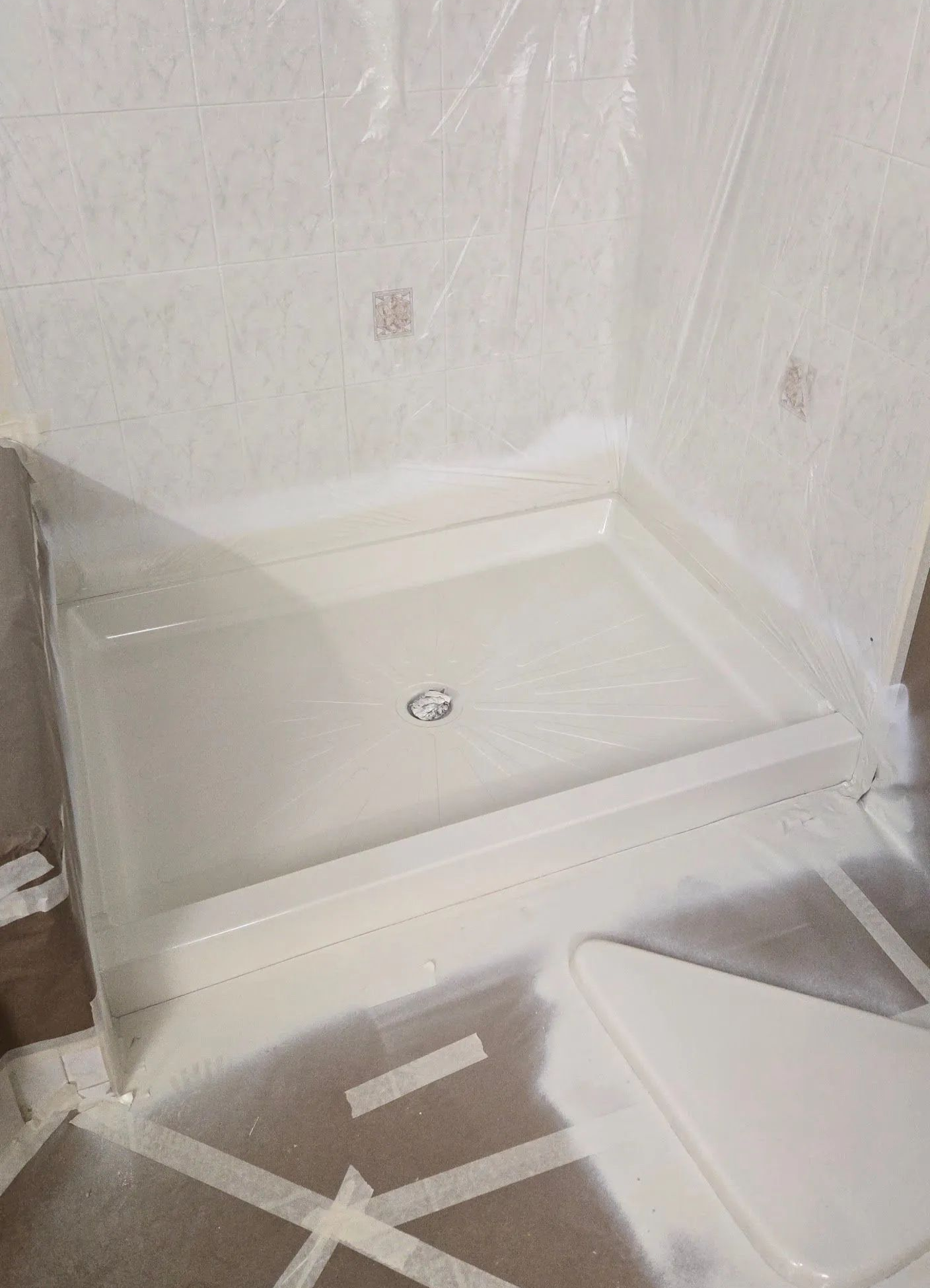
White corner shower base in a bathroom prepared for installation; protected with plastic.
September 15, 2025
Over time, even the most durable shower bases can show signs of wear—peeling, staining, cracking, or general dullness. Instead of facing the high cost and inconvenience of a complete replacement, many homeowners are now turning to shower base recoating as a smart and affordable solution.
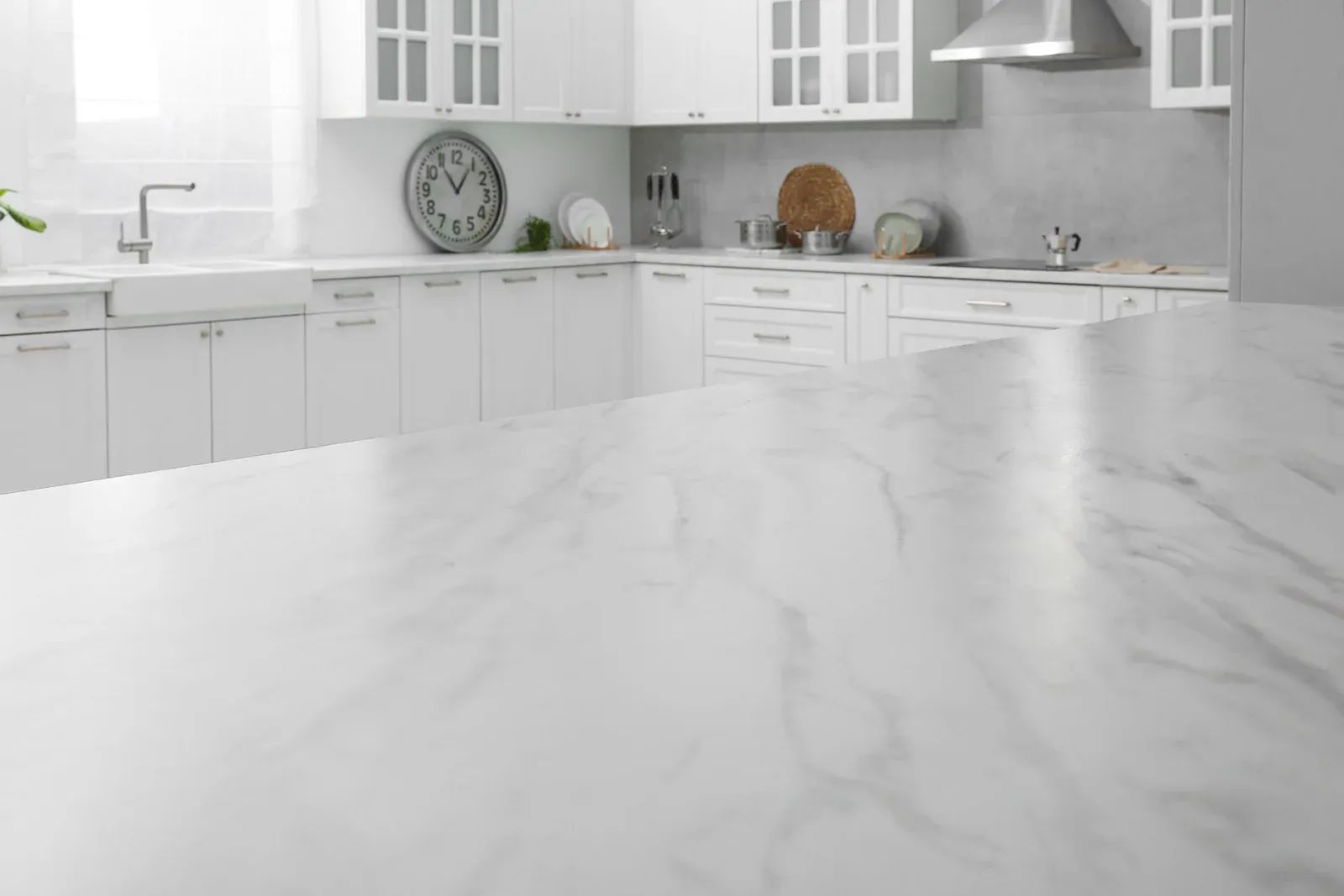
White marble countertop in a bright, white kitchen.
August 21, 2025
Is your kitchen or bathroom looking outdated, but a full remodel isn’t in the budget? Countertop recoating offers a smart and affordable alternative. Instead of tearing out old surfaces, recoating revitalizes what you already have—saving you time, money, and mess.
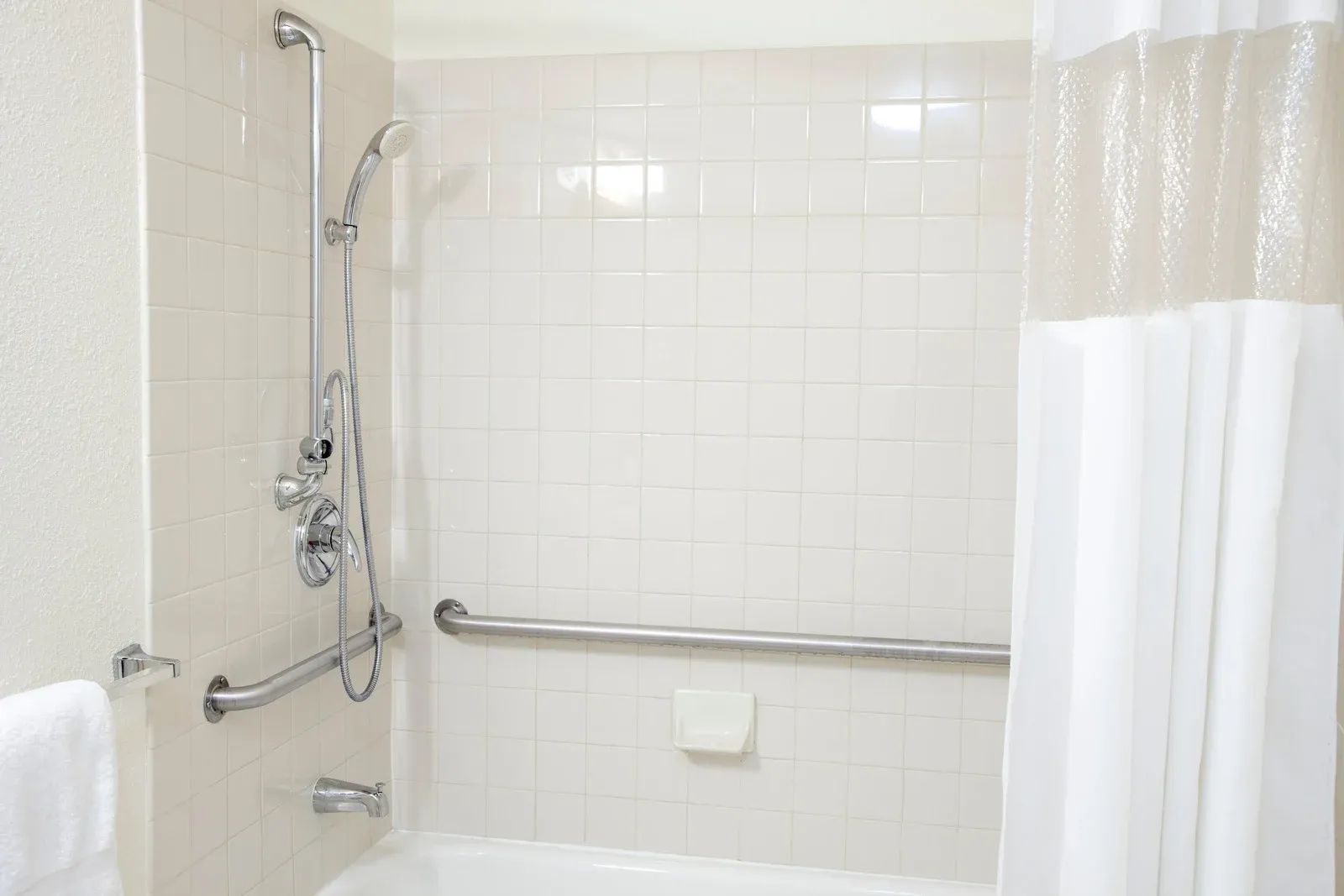
A bathroom with a tub , shower , and handrails.
July 22, 2025
Outdated, stained, or dull tile surfaces can make your bathroom or kitchen feel worn out, even if everything else is in great shape. Professional tile recoating is a fast, affordable solution that breathes new life into your space without the mess and cost of a complete renovation.
A bathroom with a jacuzzi tub , toilet and shower.
June 16, 2025
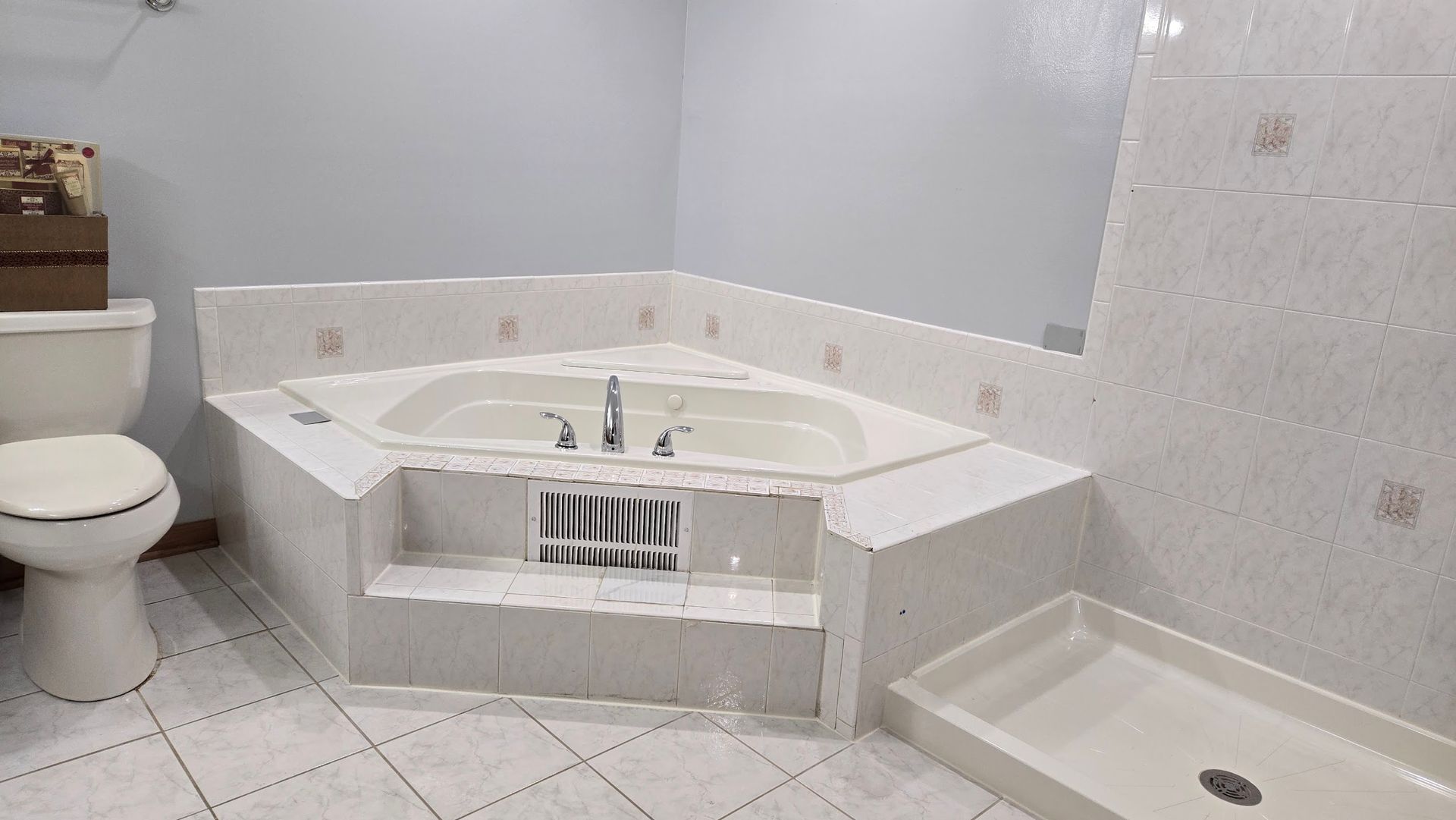
Over time, even the most well-maintained bathtubs show signs of wear. Chips, cracks, discoloration, or dull finishes can make your bathroom look outdated.