Recoating vs. Remodeling: The Smart Homeowner's Choice
For homeowners, maintaining and enhancing a property often involves making critical decisions between recoating and remodeling. Both strategies offer unique benefits, but understanding their distinct purposes is crucial to making a cost-effective and impactful choice. Recoating focuses on refreshing surfaces, prolonging the lifespan of existing materials, and enhancing visual appeal without extensive construction. Remodeling, on the other hand, entails structural or functional changes to a space, often requiring significant investment, labor, and planning. Choosing wisely can mean the difference between achieving your dream home efficiently and overextending your budget unnecessarily.
The relevance of this decision has grown as homeowners increasingly seek practical solutions that balance aesthetics, functionality, and financial prudence. In today’s market, where property values, energy efficiency, and design trends are constantly evolving, knowing when to recoat or remodel can directly affect resale value, comfort, and overall satisfaction. This blog explores the strategic considerations behind these approaches, helping homeowners make informed decisions that maximize impact while minimizing disruption. By analyzing real-world scenarios, expert recommendations, and actionable insights, we aim to clarify the paths available to homeowners and reveal which choice aligns best with their long-term goals.
Understanding Recoating: Refresh Without Replacement
What Is Recoating?
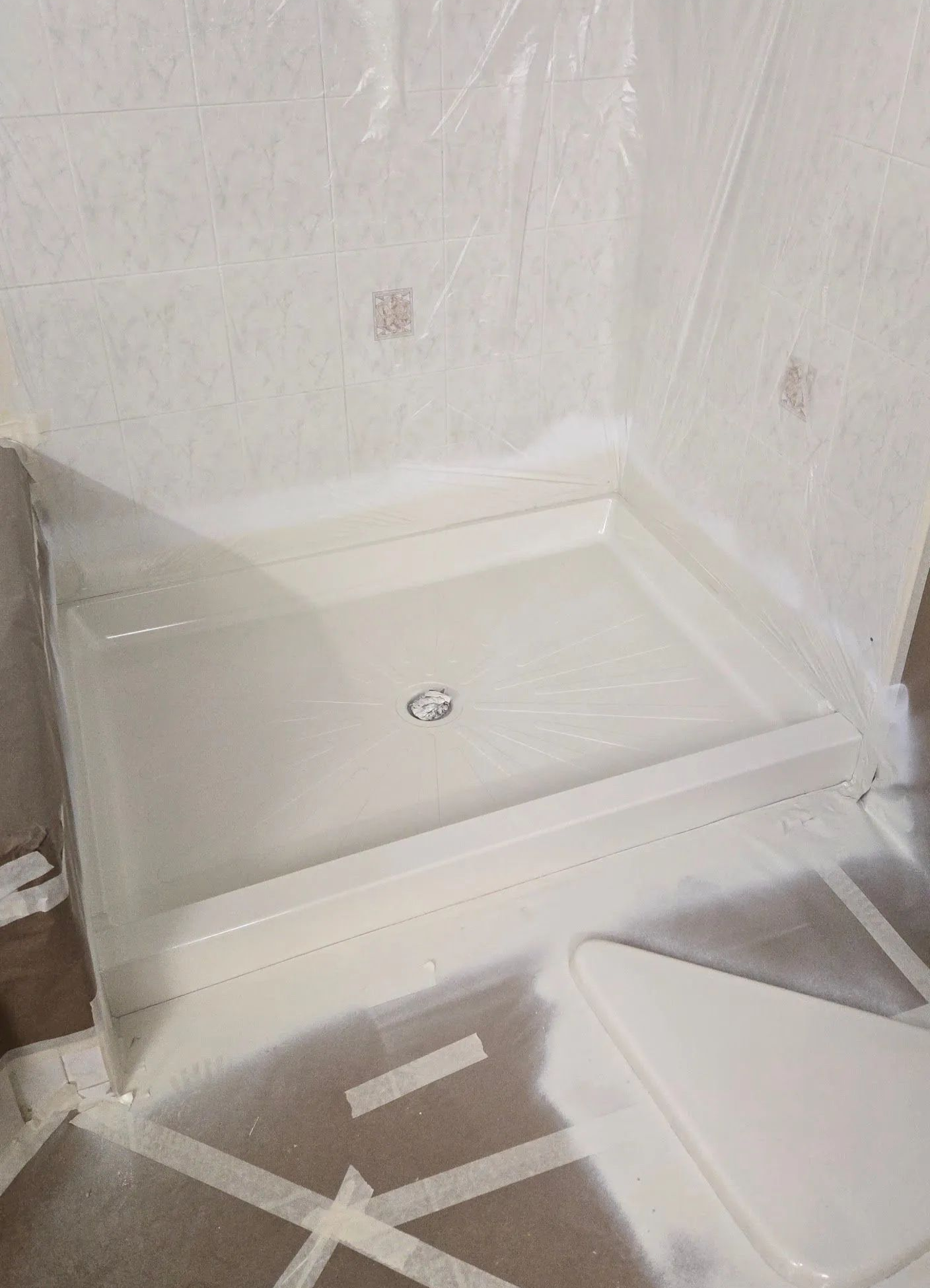
Recoating is the process of applying a new layer of protective or decorative material over existing surfaces. This could include painting walls, sealing decks, refinishing floors, or applying protective coatings to roofs and exterior walls. Unlike remodeling, recoating does not alter the structure or layout of a space; instead, it revitalizes what is already present. The primary goal is preservation, protection, and aesthetic enhancement.
Benefits of Recoating
- Cost-Effective Solution – Recoating typically requires fewer materials and labor hours compared to remodeling. For homeowners looking to improve appearance without significant expenses, recoating can offer immediate results at a fraction of remodeling costs.
- Time Efficiency – Projects like painting a living room, sealing a driveway, or refinishing a deck can often be completed in days, rather than weeks or months. Homeowners can enjoy refreshed spaces quickly, minimizing lifestyle disruption.
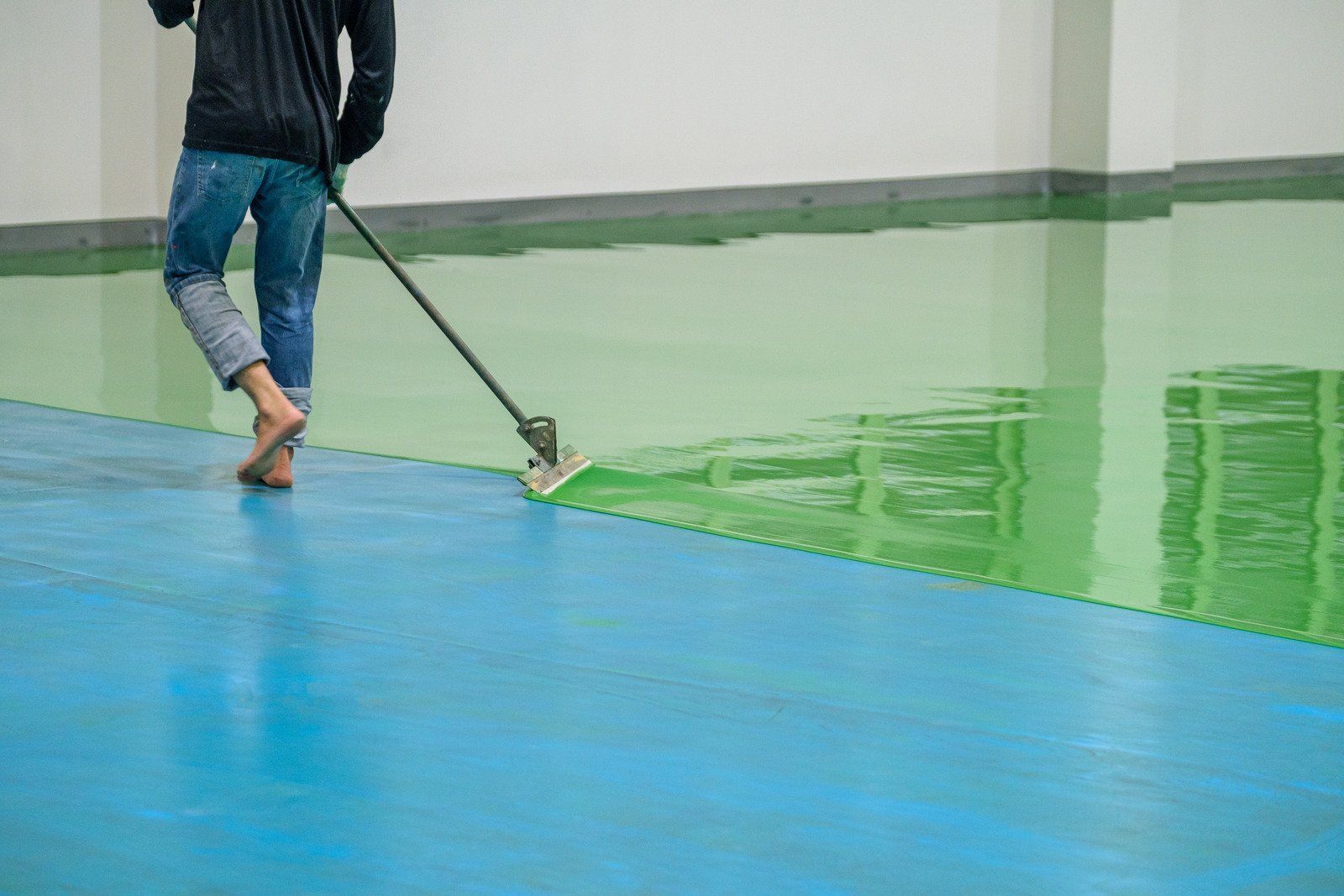
- Surface Protection – Coatings like polyurethane for wood, elastomeric for exterior walls, or epoxy for garage floors provide durable protection against moisture, UV rays, stains, and wear. This not only preserves existing structures but also delays the need for costly renovations.
Real-World Examples
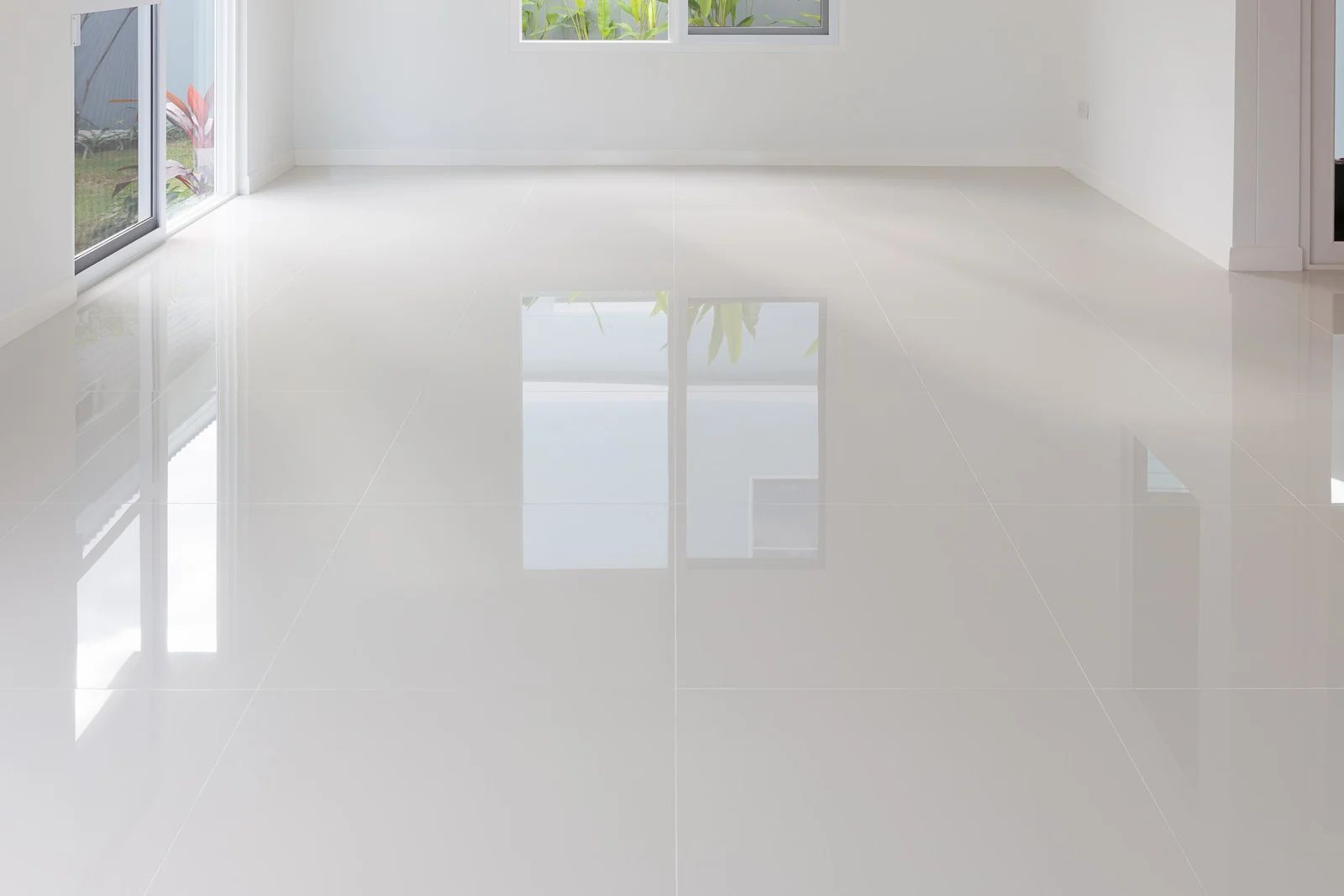
- A homeowner in a suburban neighborhood chose to recoat their hardwood floors instead of installing new flooring. The result was a like-new appearance, enhanced durability, and a 70% savings over full replacement.
- Exterior walls of a 15-year-old home were recoated with weather-resistant paint, preventing water damage and extending the siding’s life without the expense of full-scale remodeling.
Challenges and Considerations
While recoating is highly effective, it may not address underlying structural issues. Surfaces with deep cracks, severe water damage, or outdated layouts often require more than a simple refresh. Understanding the limits of recoating is crucial to avoid temporary fixes that postpone necessary upgrades.
Remodeling: Transforming Spaces for Function and Style
What Remodeling Entails
Remodeling involves making structural or functional changes to a home’s design. This can range from kitchen or bathroom renovations to adding extensions, redesigning floor plans, or installing modern energy-efficient systems. Remodeling is inherently more complex than recoating, requiring planning, permits, skilled labor, and often a higher budget.
Key Benefits of Remodeling
- Enhanced Functionality – Remodeling allows homeowners to customize spaces according to their evolving needs, such as expanding kitchens, adding home offices, or modernizing bathrooms for better usability.
- Increased Property Value – Structural upgrades and modern features often translate directly into higher resale value. Well-executed remodeling can provide returns that outweigh initial investment.
- Aesthetic Transformation – Beyond functionality, remodeling offers complete visual overhaul, allowing homeowners to adopt contemporary styles, improve layouts, and optimize natural light.
Examples in Practice
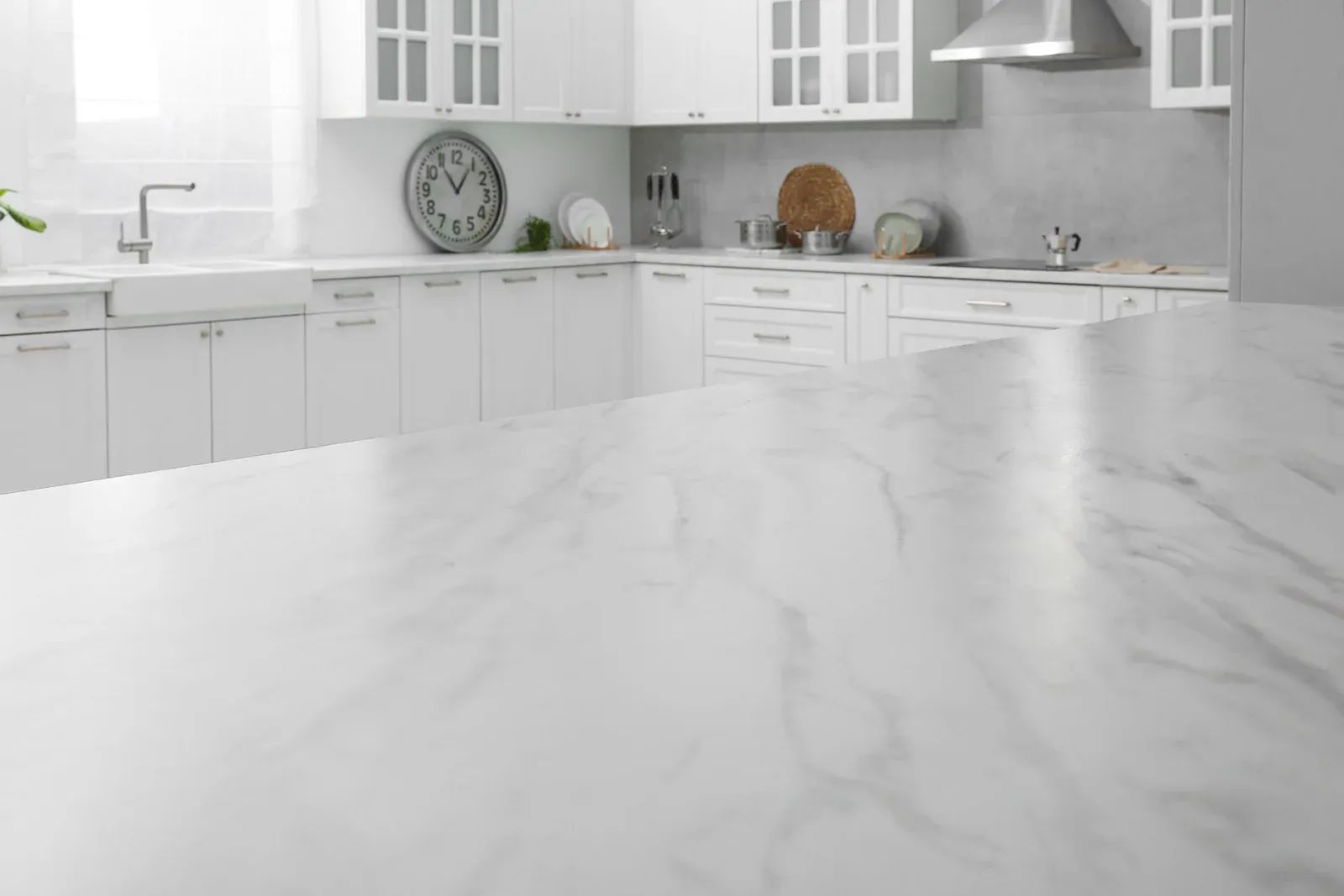
- A family remodeled their outdated kitchen by expanding counter space, adding energy-efficient appliances, and updating cabinets. The result was both a functional upgrade and a significant increase in home valuation.
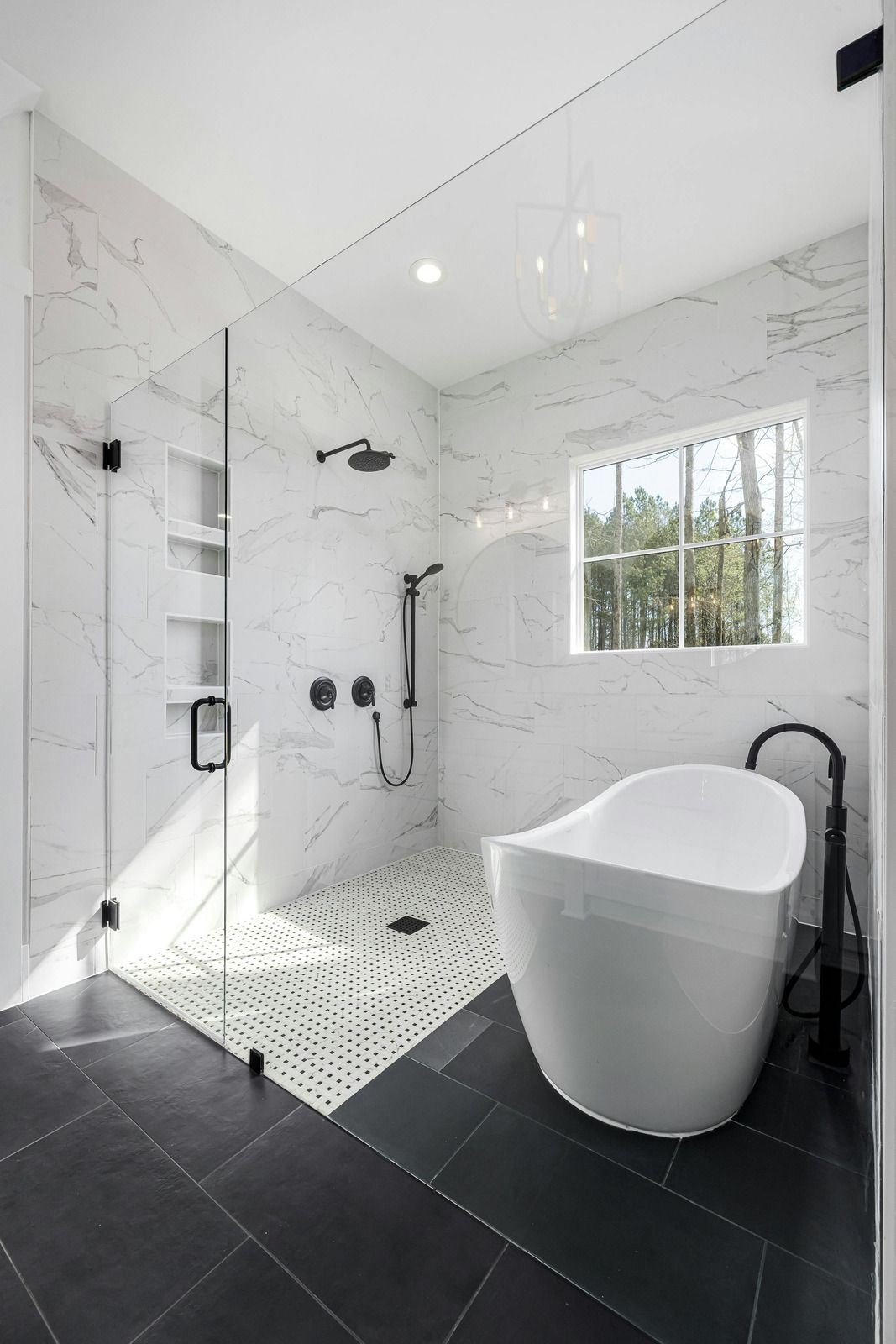
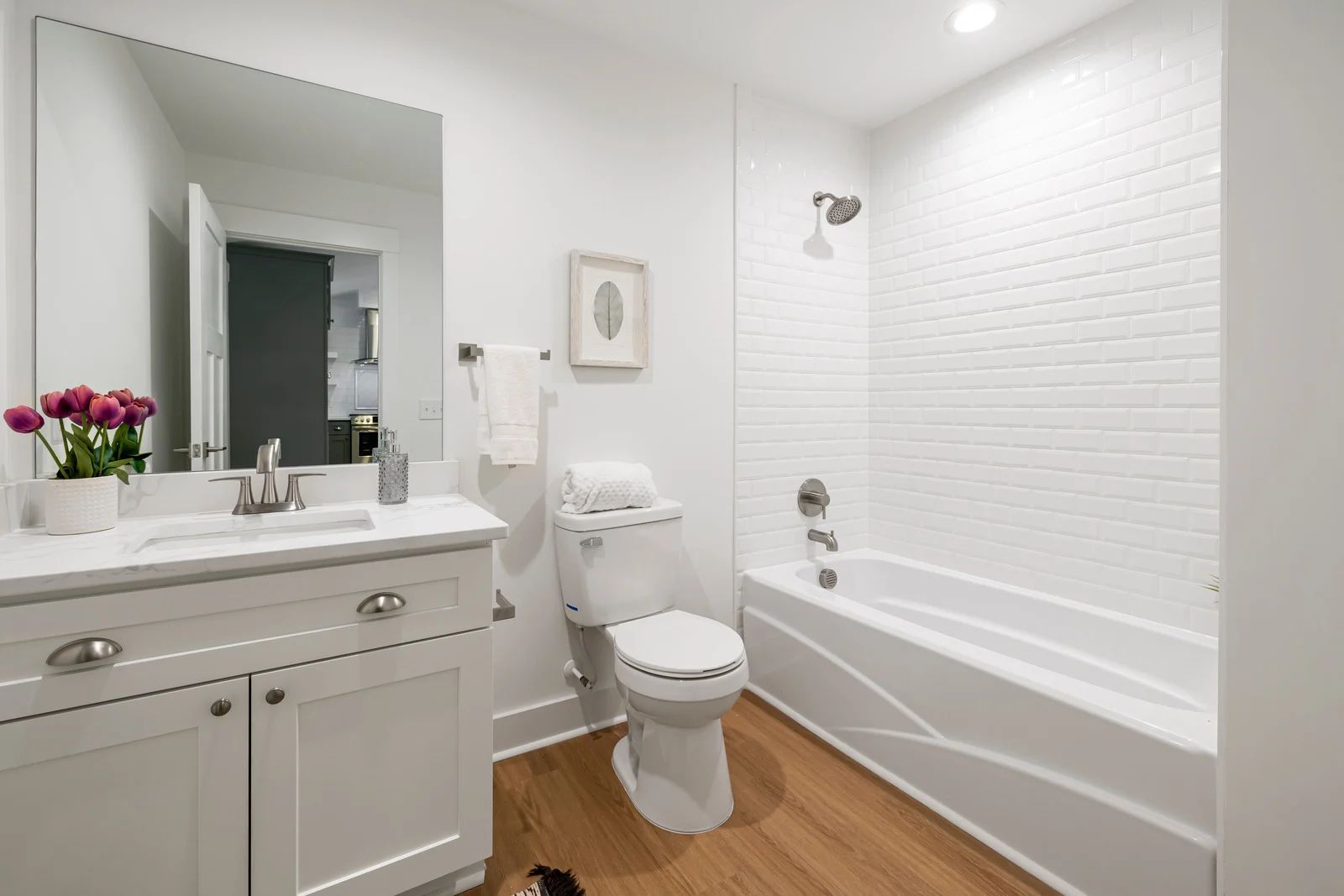
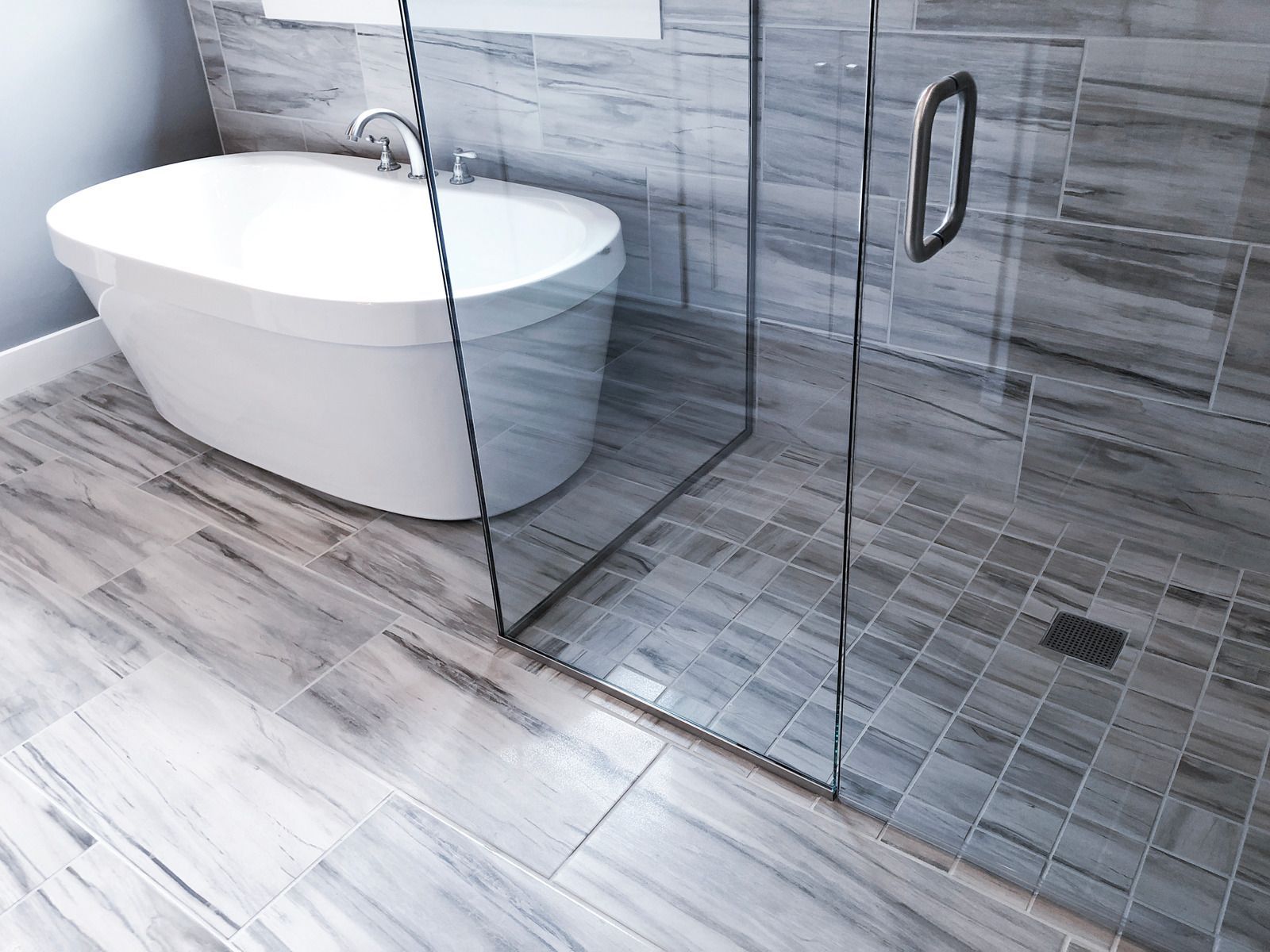
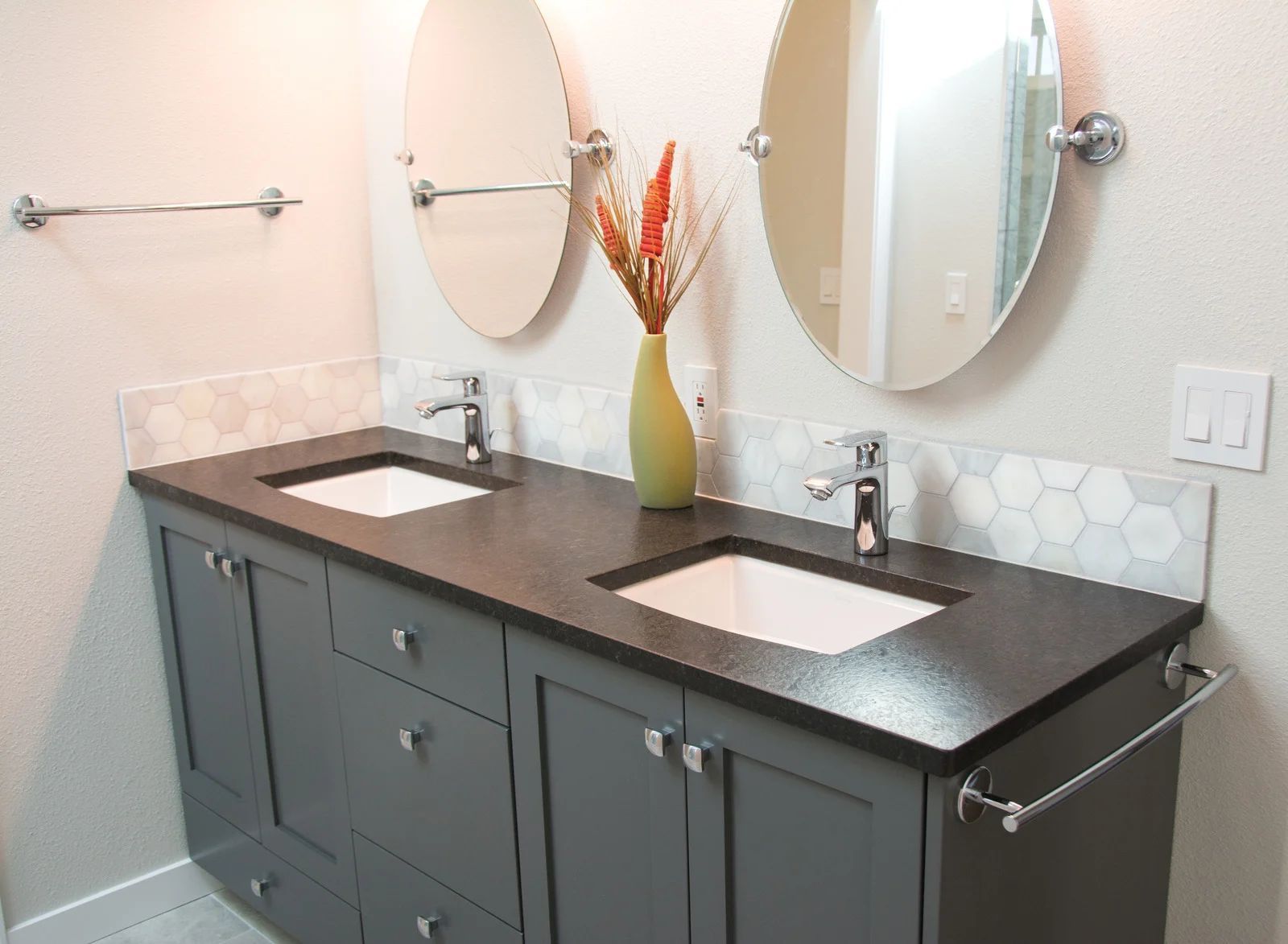
- In an older home, remodeling a bathroom with modern fixtures, enhanced storage, and tile replacement improved not only usability but also energy efficiency through water-saving technologies.
Challenges and Strategic Considerations
Remodeling carries higher costs, longer timelines, and potential disruption to daily life. Homeowners must consider the structural integrity of existing spaces, the return on investment, and whether permits or professional oversight are necessary. Budget planning, project management, and quality control are critical to ensuring remodeling delivers both short-term satisfaction and long-term value.
Cost Comparison: Budgeting Smart Decisions
Financial Implications
When deciding between recoating and remodeling, understanding cost implications is crucial. Recoating projects are generally budget-friendly. A typical interior painting or deck sealing might cost a few hundred to a few thousand dollars depending on size, materials, and labor. Remodeling, however, can escalate into tens of thousands, especially for extensive kitchen or bathroom renovations.
Long-Term Savings vs. Immediate Investment
Recoating provides a cost-effective method to protect and maintain property, potentially postponing major expenses. For example, recoating a roof with protective coating can prevent leaks and structural damage, delaying costly replacements. Remodeling, while expensive upfront, can increase home value and efficiency, sometimes paying for itself over time through energy savings, improved functionality, and higher resale potential.
Decision-Making Framework
- Immediate Aesthetic Boost – Choose recoating for quick, visually impactful updates.
- Functional and Structural Needs – Opt for remodeling when addressing layout inefficiencies, outdated systems, or significant damage.
- Budget Sensitivity – Recoating is preferable for constrained budgets, while remodeling is suitable for homeowners willing to invest in long-term improvements.
When Recoating Makes Sense
Ideal Scenarios for Recoating
- Surface Wear and Tear – Minor scratches, fading paint, or weathering are best addressed with recoating. This extends material life without full replacement.
- Protective Needs – Surfaces exposed to harsh elements, such as exterior walls, wooden decks, and garage floors, benefit from recoating, preserving structural integrity.
- Quick Refresh – Recoating is perfect for seasonal updates, staging homes for sale, or preparing rental properties for new tenants.
Expert Tips for Effective Recoating
- Surface Preparation – Clean, sand, or repair minor imperfections before recoating to ensure adhesion and durability.
- Quality Materials – Invest in high-grade paints, sealants, or coatings to achieve long-lasting results.
- Professional Consultation – Even small recoating projects benefit from expert guidance on color matching, material selection, and protective finishes.
Limitations to Recognize
Recoating cannot fix structural problems, layout inefficiencies, or outdated mechanical systems. Homeowners must assess the underlying condition of surfaces to determine whether recoating is a temporary cosmetic solution or a long-term strategy.
When Remodeling Is the Right Choice
Situations Favoring Remodeling
- Structural Upgrades – Homes with outdated layouts, insufficient storage, or deteriorating infrastructure require remodeling to improve livability.
- Modernization Needs – Remodeling allows integration of smart home technologies, energy-efficient appliances, and contemporary design elements.
- Expansion Requirements – Growing families may need additional rooms, bathrooms, or living spaces that recoating alone cannot provide.
Best Practices for Remodeling Success
- Thorough Planning – Define goals, budget, and timelines upfront to minimize unexpected costs and delays.
- Professional Oversight – Licensed contractors, designers, and inspectors ensure code compliance, safety, and quality outcomes.
- Sustainable Materials – Opt for durable, eco-friendly materials that enhance energy efficiency and longevity.
Potential Challenges
Remodeling projects can uncover hidden issues, such as plumbing problems, electrical upgrades, or foundational repairs. These require contingency planning and flexible budgeting to avoid cost overruns.
Making the Smart Choice: Recoating vs. Remodeling
Factors to Consider
- Budget and Timeline – Limited budgets and time constraints favor recoating, while remodeling is justified for long-term investment and functional needs.
- Current Condition of Property – Well-maintained surfaces are ideal candidates for recoating. Structural wear, outdated layouts, or aging systems often necessitate remodeling.
- Desired Outcomes – Quick aesthetic improvements are best served by recoating. Comprehensive lifestyle upgrades and property value enhancements are achieved through remodeling.
Hybrid Approaches
Some homeowners successfully combine recoating and remodeling to maximize benefits. For instance, recoating existing cabinets during a minor kitchen remodel can enhance appearance without the expense of full replacement. Similarly, refinishing floors while remodeling adjacent rooms can create a cohesive aesthetic while optimizing costs.
Expert Recommendations
- Conduct a property assessment to identify immediate needs versus long-term goals.
- Consult with professionals to evaluate the feasibility, cost, and potential return on investment for both approaches.
- Prioritize high-impact, cost-effective upgrades first, and schedule remodeling projects strategically to minimize disruption and maximize value.
Reliable Expertise Transforming Homes Efficiently and Safely
Choosing between recoating and remodeling is a critical decision for homeowners seeking to balance aesthetics, functionality, and investment value. Recoating offers cost-effective, efficient solutions that preserve and refresh surfaces, ideal for minor wear, protective needs, or quick upgrades. Remodeling, by contrast, transforms spaces, addressing structural limitations, modernizing layouts, and increasing property value. By understanding the benefits, challenges, and strategic applications of each approach, homeowners can make informed decisions that optimize outcomes for both immediate satisfaction and long-term property goals.
For homeowners in Oak Forest, IL, ProTech Recoating
offers a trusted, professional solution to every property maintenance and improvement need. With 10
years of experience, the team provides
expert recoating services
that enhance durability, aesthetic appeal, and overall home value. From protective coatings to customized surface finishes, ProTech Recoating
combines knowledge, high-quality materials, and hands-on expertise to deliver results that exceed expectations. Whether you are considering a surface refresh or planning a larger renovation, ProTech Recoating
serves as a reliable partner, helping homeowners make smart, cost-effective decisions that safeguard their investment and create beautiful, lasting spaces.